Watches have always symbolized style, precision, and craftsmanship. Among the various types of watches, the movement type is a key factor that influences their functionality and overall appeal. In this post, we will dissect the differences between quartz, mechanical, and automatic movements, empowering you to make an informed choice for your next timepiece.
What is Watch Movement?
Watch movement, often called the "caliber," is the mechanism that powers a watch and keeps time. It is the heart of any watch, responsible for its accuracy and functionality. By understanding the different types of movements, you can deepen your appreciation for horology, which in turn can guide you in selecting the right watch that fits your lifestyle and preferences.
Quartz Movements
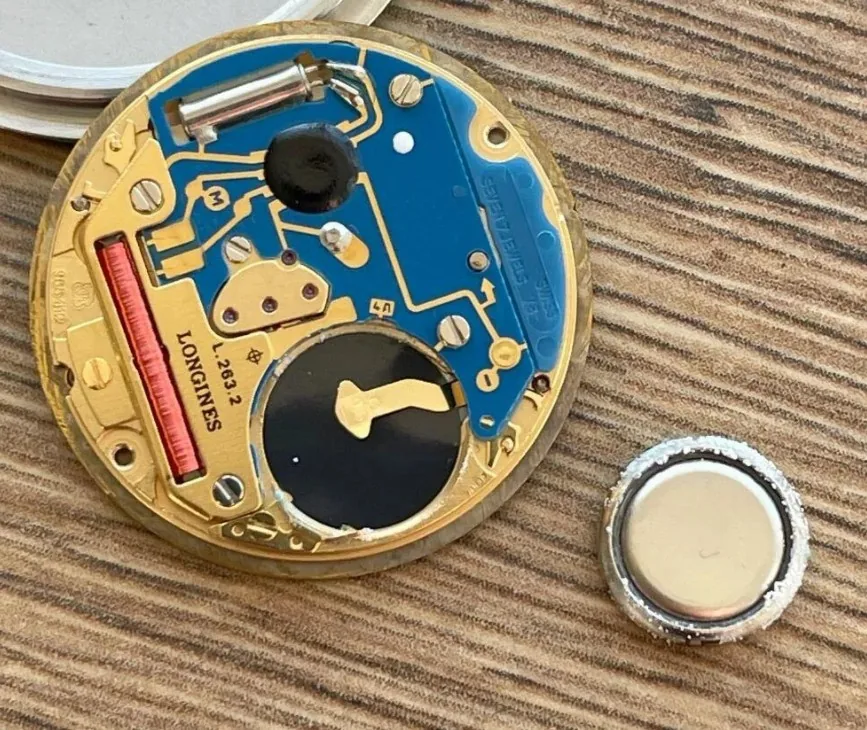
Quartz movements dominate the market as the most popular type found in modern timepieces. They rely on a battery for power and utilize a quartz crystal to ensure accurate timekeeping.
How Quartz Movements Work
A quartz watch works by sending an electric current through a quartz crystal, which vibrates at a precise frequency of 32,768 times per second. This consistent frequency is then converted into regular time intervals. For example, a good-quality quartz watch may only gain or lose about 15 seconds a month, making it exceptionally precise.
Advantages of Quartz Movements
Accuracy: Quartz watches maintain impressive accuracy, often deviating by just a few seconds per month.
Low Maintenance: Due to their fewer moving parts, quartz movements require less maintenance and tend to be more durable over time.
Affordability: Generally, quartz watches are more budget-friendly. Prices can range from around $20 for basic models to a few hundred dollars for higher-end designs.
Disadvantages of Quartz Movements
Battery Dependency: The need for battery replacements can be inconvenient. Typically, a battery lasts between 1 to 3 years depending on the watch.
Less Craftsmanship: Some watch enthusiasts might view quartz movements as less prestigious because they rely on mass production techniques.
Mechanical Movements
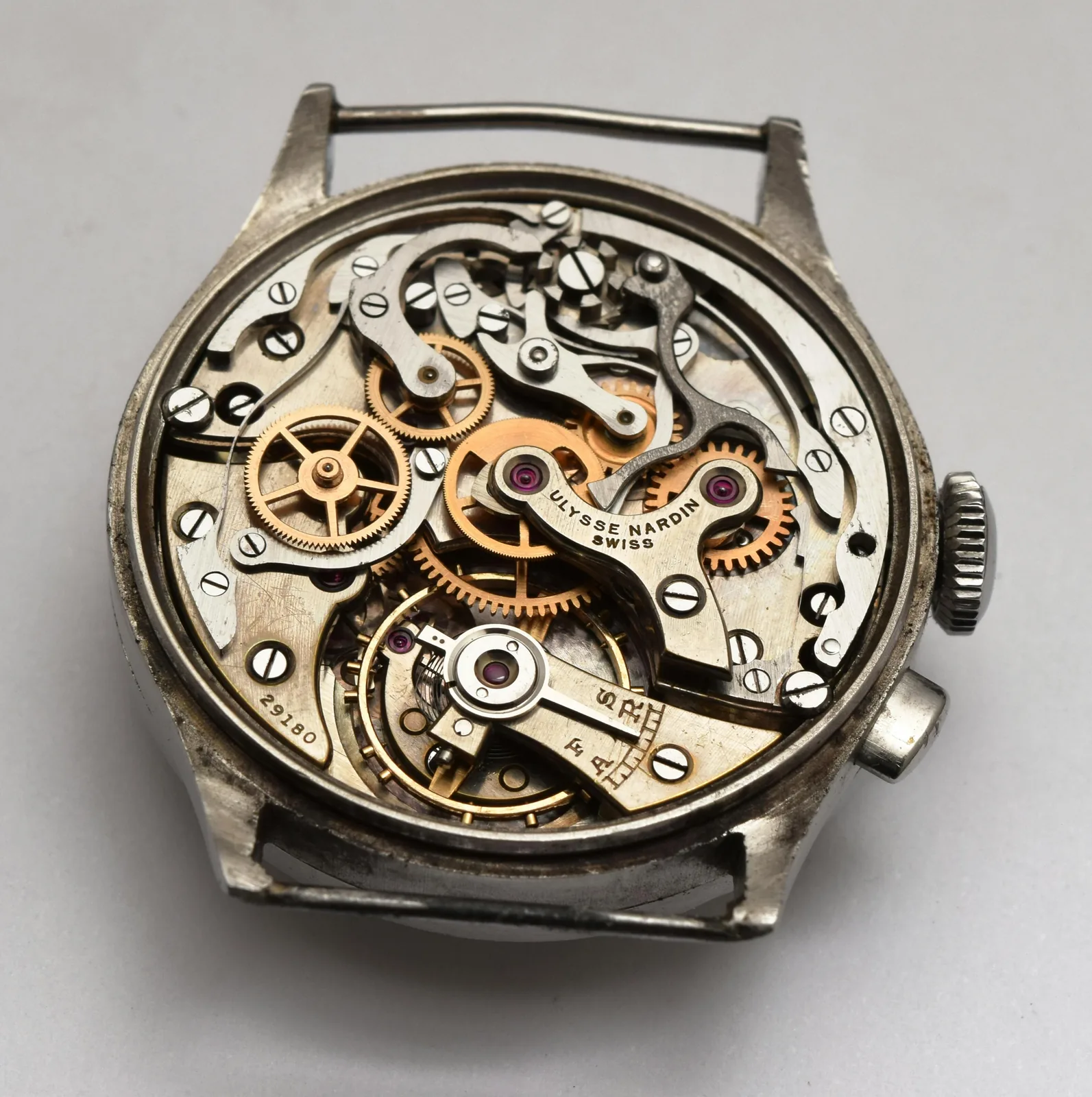
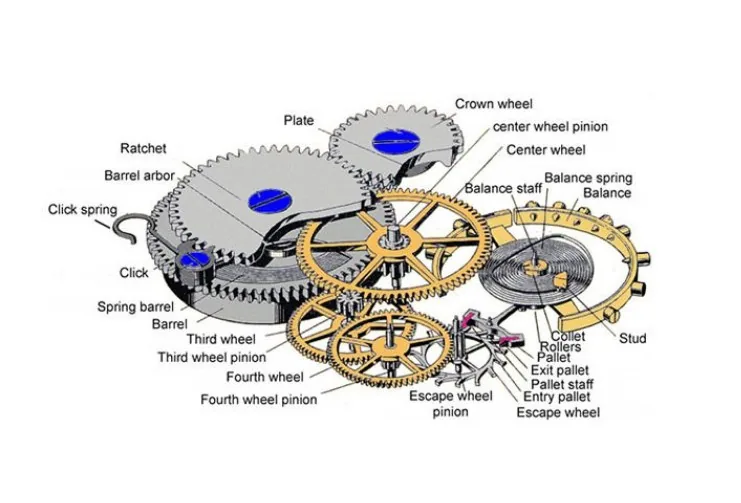
Mechanical movements are the traditional form of watch mechanism, depending on intricate gears and springs to measure time. They can be powered by either manual winding or automatic mechanisms.
How Mechanical Movements Work
Mechanical watches utilize a mainspring which may be wound manually or through a system that harnesses motion, like in automatic movements. As the mainspring unwinds, it releases energy that powers the gear train and moves the watch hands.
Advantages of Mechanical Movements
Craftsmanship: Mechanical watches are often works of art. For example, a high-quality Swiss mechanical watch can be made with hundreds of components, showcasing the skill of experienced watchmakers.
No Battery Required: These watches eliminate the need for batteries, appealing to those who prefer traditional technology.
Longevity: With proper care, mechanical watches can last for decades or even centuries. A well-maintained mechanical watch can be passed down as a family heirloom, making it a timeless investment.
Disadvantages of Mechanical Movements
Less Accurate: Mechanical movements typically deviate by about 5 to 40 seconds a day, which is significantly less precise than quartz watches.
Maintenance: Regular servicing is needed, often costing between $100 to $500, depending on the complexity of the watch.
Automatic Movements
Automatic movements, or self-winding movements, are a subset of mechanical movements. They capture the energy generated from the wearer's wrist movement to wind the mainspring automatically.
How Automatic Movements Work
Within an automatic watch is a rotor that moves with the wearer's wrist. This movement winds the mainspring, providing power without requiring manual winding. If worn daily, an automatic watch can keep running effortlessly.
Advantages of Automatic Movements
Convenience: Automatic watches need no manual winding as long as they are worn often. This makes them suitable for daily use—about 20% of watch enthusiasts prefer them for their convenience.
Craftsmanship: Just like mechanical watches, automatic watches are appreciated for their intricate designs and the artistry behind their creation.
No Battery: Automatic watches also offer an environmentally friendly option since they rely on mechanical energy instead of batteries.
Disadvantages of Automatic Movements
Power Reserve: If not worn for more than 48 hours, automatic watches may stop and need to be wound again.
Sensitivity: These movements can be more sensitive to shocks and magnetic fields which may impact their accuracy.
Making Your Choice
When it comes to choosing a watch, consider your lifestyle and how you plan to use the timepiece.
Quartz watches are perfect for those prioritizing accuracy, low maintenance, and affordability. They are ideal for everyday wear, especially in casual settings.
Mechanical watches attract enthusiasts who cherish craftsmanship and tradition. They are excellent for formal occasions or collectors seeking classic timepieces.
Automatic watches are a great middle ground, combining convenience and craftsmanship. If you wear watches regularly and appreciate fine engineering, consider this option.
Wrapping It Up
Knowing the distinctions between quartz, mechanical, and automatic movements is essential for anyone interested in watches. Each type has unique benefits and drawbacks that cater to different lifestyles and preferences. Whether you value accuracy, craftsmanship, or convenience, a suitable watch movement awaits you. By weighing these factors, you can confidently select a timepiece that not only tells time but also complements your style and personal values.